


Cabo Verde

Cape Verde, population 500,000, have qualified for the last 32 of the World Cup. A remarkable feat which saw them take points from Spain, Uruguay and Saudi Arabia, finishing second in their group above former World Cup champions Uruguay. Simply incredible.
Their 40-year-old goalkeeper, Vozinha, went viral after a string of heroic saves kept a clean sheet against Spain. Overnight he went from 50,000 Instagram followers to 16 million. The day of the "Blue Sharks", as their national team is known, has truly arrived - they will play Lionel Messi's Argentina in the next round proper.

So, I think it's only fair that we turn our attention to this remarkable national team and their Atlantic nation and see what is going on behind the scenes - so let's #GetTheBadgeIn and find out...
First, before the badge - where the heck is it?
Cape Verde is a collection of ten small volcanic islands that sit 650 miles west of Cap-Vert (Green Cape) in Senegal - which is why, when Europeans discovered the islands, they gave them that name: the islands near Cap-Vert. It was the Portuguese who first discovered the islands, which were completely uninhabited at the time. They settled them, and today the language of the islands is Portuguese. They achieved independence in 1975. Their official, and preferred, name is the Portuguese Cabo Verde.

So, that's where they are and how they got their name... But why the badge? Why the Tubarões Azuis (Blue Sharks)?
The badge features ten stars along the top which represent the ten islands. Each island has its own unique feel and attractions. Sal has pristine white beaches and salt mines, Boa Vista is known for nesting turtles and shipwrecks (famously the Cabo Santa Maria, which has become iconic along its beachfront), Santo Antão is covered in lush forest and boasts beautiful hiking routes, and the largest island, Santiago, is home to the original capital - Cidade Velha - which still looks much as it did in the 16th century and is listed as a UNESCO World Heritage Site.
In researching this place I have gone from wanting to visit to now wanting to take a year out and live there permanently. It sounds like a real-world paradise.

The Blue Sharks name was adopted by the nation's FA in honour of, firstly, their national team colours (a bright royal blue) but also in honour of some of the islands' most famous residents - sharks.
Situated directly on the Atlantic Ocean's marine migration routes, it is basically Mecca for hundreds of different species of sea life - but especially sharks.

The most common are peaceful and friendly lemon sharks, which grow up to a huge 3.5 metres in length and gather around Sal's "Shark Bay", where tourists simply stand in the crystal-clear shallow waters taking selfies as these majestic creatures swim around them.
Nurse sharks are also found around the islands and, further out in deeper waters, you get tiger sharks - known as the dustbins of the sea because they eat pretty much anything, including large man-made plastic objects, which unfortunately has contributed to them becoming an endangered species as humans seem intent on killing these beautiful creatures at an ever faster rate.
So that's the nickname and badge - all fairly straightforward. But the history of the islands and their people is anything but. It is a rich tapestry - not always a happy one - but one which today has created a rich culture, mixing European and African traditions into one beautiful blend.
The original Portuguese settlers tried to capitalise on the tropical climate by planting sugar and other crops, but the soil simply wasn't rich or deep enough to support large-scale agriculture, so the initial settlers struggled.
However, Cape Verde's strategic position - sitting in the middle of the Atlantic, close to the Americas, Europe and Africa - made it perfect as the ultimate logistics hub for one of the worst crimes ever perpetrated by man: the Atlantic Slave Trade.
European merchants arrived with manufactured goods such as textiles, firearms, metal tools and alcohol, which they exchanged with African rulers and traders for enslaved people.

The islands soon came to house shipyards and supply sheds for the ships and crews - and, most chillingly of all, fortified warehouses for the human cargo: the enslaved Africans who were about to embark upon the perilous Middle Passage to the Americas, so called because of the famous Triangle Trade, where Europeans sold manufactured goods to African rulers in exchange for slaves, sold the slaves to the American colonies, and then shipped back to Europe the sugar, cotton and tobacco produced by the enslaved workers. They profited at every stage.

Upon arrival in Cape Verde, captives from different ethnic groups across Africa were deliberately mixed together to prevent communication and rebellion. They were held on the islands long enough to learn basic Portuguese and undergo forced baptism before facing the brutal Middle Passage.
Let's make no mistake about this - families were split up on purpose, people were branded with the ownership symbols of their new masters, placed in chains and marched aboard the slave ships. Any enslaved person who tried to escape or fight back was taken to the main square (the Pelourinho) and publicly tortured as a warning to the rest.

Once on the ships, the conditions they faced were vile. The crews would install additional decks just for this part of the voyage, so the ships resembled shelving, with only a few feet of headroom. Chained together, they were packed in on their sides so more people could be squeezed in. The rough Atlantic crossing turned these decks into a rancid slosh of human waste, sickness and tears.
Once a day, enslaved Africans were allowed onto the upper deck for food and air - and then back below they would go. More than a third would die en route, and many found the opportunity to jump overboard and take their own lives rather than continue this man-made hell.
The crews themselves lost something of their souls and were paid handsomely for the experience, but very few sailors ever completed more than one voyage - the smell and misery stayed with them for the rest of their lives. The owners cared not one bit. Even with the high death tolls during transport, their human cargo fetched high prices in the Americas, where they were given their one and only decent meal, followed by a little make-up to make them appear healthier before being sold to plantation owners across the Caribbean and the American South.
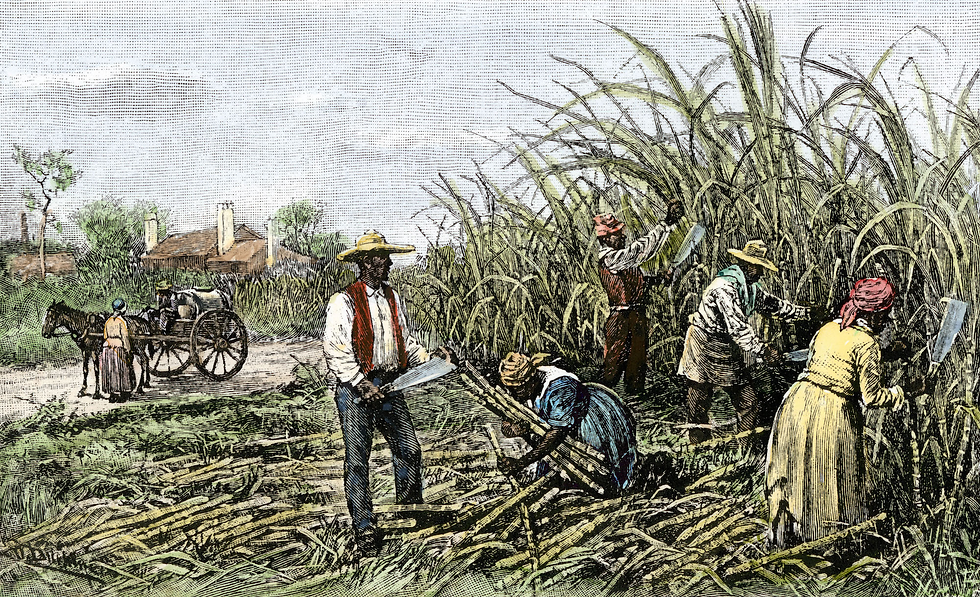
Europe and North America's economies profited handsomely at the expense of these men and women. Around 12 million people in total were taken from their homelands and sold into slavery between 1500 and 1800.
The dark truth that all Americans and Europeans must face when walking their beautiful cities and admiring the magnificent buildings from this period is that a good chunk of the investment came from slave companies. Modern Europe was built, in part, on the human misery of Africa - there is no getting away from it.
This must be understood by all if the world is to become a fairer and more just place. While today's Europeans and Americans are not guilty of their ancestors' crimes, they still benefit from the legacy of wealth, education and infrastructure that these ill-gotten riches seeded into European nations.
Cape Verde became the key operating hub of this, the greatest organised crime in history. Today its people reflect that heritage - a racial mix of Europeans and Africans - and their food, music and dress bring those two worlds together.
It was such a valuable prize for Portugal that they spent heavily fortifying the islands against pirate attacks, particularly from English privateers such as Sir Francis Drake, who raided the islands twice, burning stores and stealing goods and enslaved Africans.
After the end of the slave trade, the islands saw investment dwindle - though obviously for the benefit of all.
In the 1970s a short war was fought against Portugal and independence arrived shortly afterwards. Since then the islands have become a success story. In 2013, Barack Obama called Cape Verde "a success story", and today it scores highly for human rights and democratic accountability.
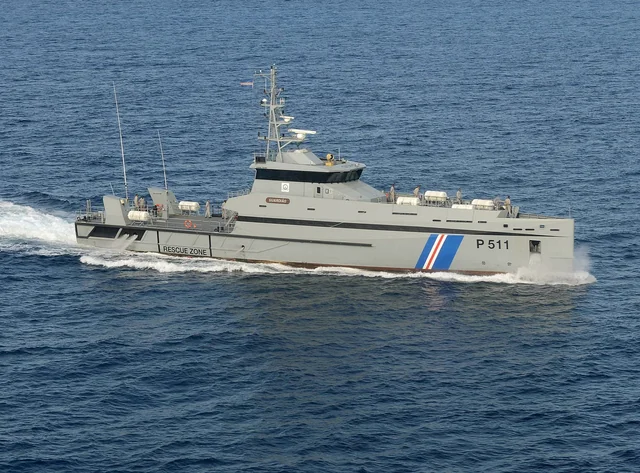
Its coastguard works closely with others around the world to intercept narcotics being shipped from the Americas into Europe and has had considerable success capturing vessels packed with drugs that tried to use the islands as a stopping point on their journey.
That this nation of only half a million people - which played such an important role in the Portuguese establishment of the Atlantic slave trade - has since fought for its freedom, enacted and maintained strong safeguards for human rights and liberty, and today helps police the very same seas across which such terrible crimes were once committed, is a story of the human spirit - and one of the most hopeful stories in international football.
If anyone deserves World Cup success, it is the men and women of Cape Verde.
Well played, lads. Well played.


Comments